Pembroke Pines expects to lose about $19 million in property tax revenue in Amendment 3's first year. City staff advise against a cap on spending growth.
Overview
Pembroke Pines expects to lose about $19 million in revenue in the first year of Amendment 3 and about $33 million in the second, its administration told the City Commission. It used those figures to advise against a proposed cap on the growth of city spending. The commission discusses the cap at 6:30 p.m. Wednesday, Nov. 18.
The estimate is in a city administration memo attached to the Nov. 18 agenda. Amendment 3, the property tax amendment, passed statewide in the Nov. 3 election, according to the state’s election results site.
What the commissioner proposed
Commissioner Jay Schwartz asked the city to draft a “Taxpayer Bill of Rights and fiscal responsibility ordinance.” It would limit yearly growth in the city’s operating spending to the rise in the Consumer Price Index plus the rise in the city’s population.
The idea is modeled on Colorado’s Taxpayer’s Bill of Rights, known as TABOR, which is part of that state’s constitution. Schwartz’s item attaches a 2010 Florida attorney general opinion on Marco Island’s spending limit and a Colorado legislative staff report on TABOR.
No ordinance has been written. The memo says the item asked only for review and drafting.
Why city staff say not now
The administration memo says it supports fiscal responsibility but that “this is not an appropriate time” to limit spending further. It gives four reasons:
- Amendment 3 will already cut revenue by about $19 million in year one and $33 million in year two, which will mean spending cuts, efficiencies and “potential adjustments to service delivery”
- Gov. Ron DeSantis has said he plans a special legislative session within two months on more property tax changes, which could limit city revenue further
- Florida law already requires a balanced budget each year
- the commission already has full power to raise or cut spending when it adopts the budget
The memo points to the most recent budget, when a majority of the commission added $500,000 for social programs and resident services. It says a formula cap could block choices like that.
Its recommendation: do not move forward until the city can fully plan for Amendment 3.
What the city attorney says
A separate memo from City Attorney Samuel Goren, dated Nov. 12, says Colorado’s system “is not compatible with Florida law.” It says a “narrowly crafted” city ordinance limiting spending may still be legal.
The memo sets out the limits on any such ordinance:
- it could not directly or indirectly restrict the city’s power to levy taxes
- it could not conflict with the state laws on city budgets and millage rates
- it could not take away powers the City Charter gives the city manager
A limit written into the City Charter instead would need a public vote, the memo says.
Who else does this
The administration memo found three Florida cities with some kind of fiscal limit:
| City | Population | What is capped | Yearly limit |
|---|---|---|---|
| Marco Island | 16,421 | Operating spending | 3% plus the federal cost-of-living adjustment |
| Fort Walton Beach | 21,097 | Personnel and operating spending | The lower of 3% or CPI |
| Palm Bay | 148,092 | Property tax revenue | 3% growth |
What it means for you
- Nothing is decided. The commission can drop the idea, ask for more work or direct the city attorney to draft an ordinance. Any ordinance would need two more votes.
- The $19 million and $33 million figures are the city administration’s estimate of what Amendment 3 costs Pembroke Pines. The memo says closing the gap will take spending cuts and possible service changes. Our guide to Broward County property taxes explains how city taxes fit into your bill.
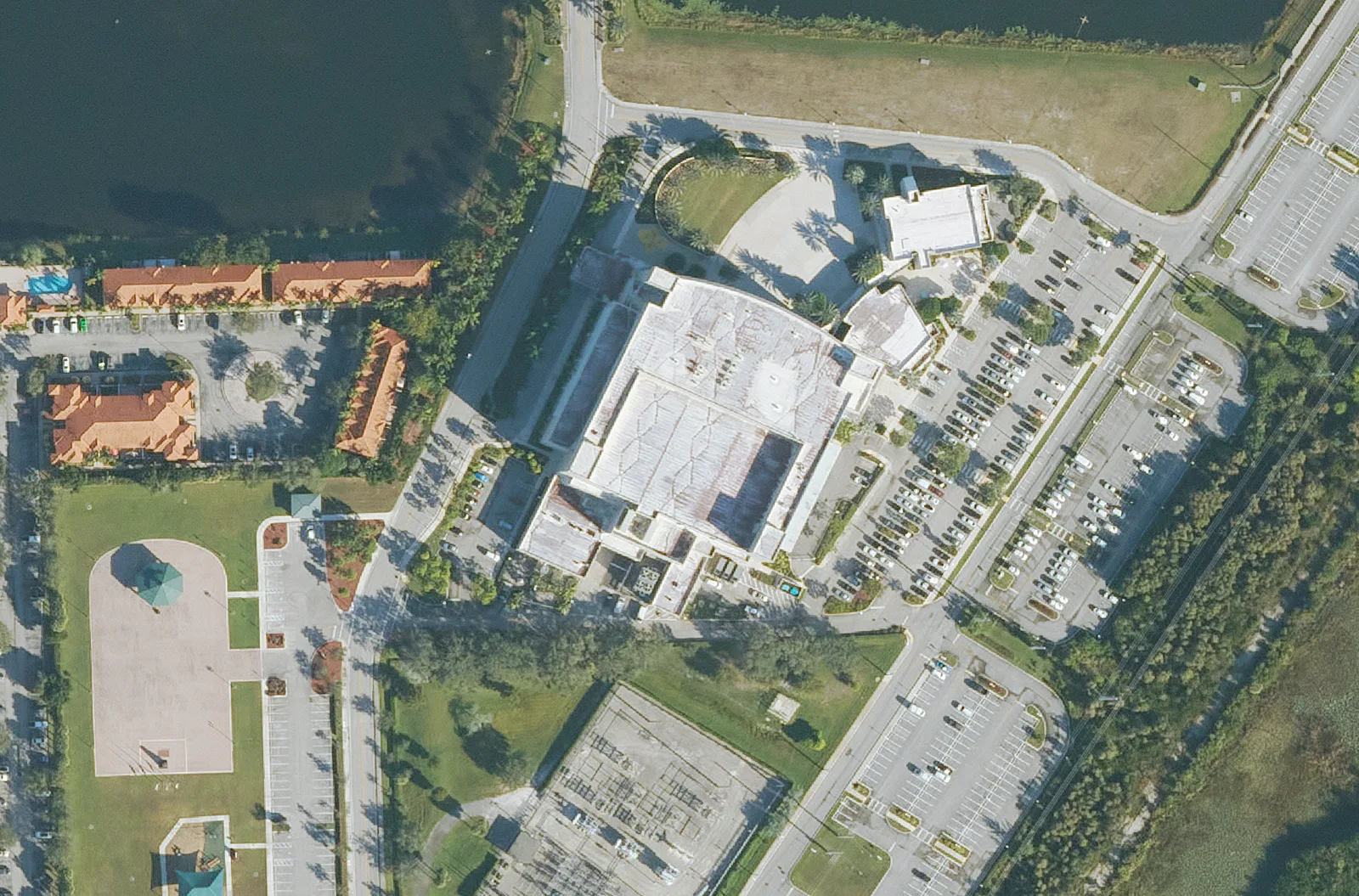
- You can speak on the item at 6:30 p.m. Wednesday, Nov. 18, in the Commission Chambers at the Charles F. Dodge City Center, 601 City Center Way. It is items 12 and 13 on the Nov. 18 agenda.
Have your say